

 HANDS ON SharePoint
 HANDS ON Teams
 HANDS ON Lists
 HANDS ON tek
 M365 Admin
What 25 Years of SharePoint Meant for My Career
My story with SharePoint didn’t start at the beginning. It started in 2012, at a moment when the platform was already well established but still surprisingly open to experimentation.
In those early years, my work was largely about SharePoint branding. The thing I heard the most back then was: “don’t make SharePoint look like SharePoint.” So I didn’t. I worked with all versions since SharePoint 2007, stripping away default visuals, rebuilding layouts, and reshaping the experience through custom master pages and heavy customization!!!
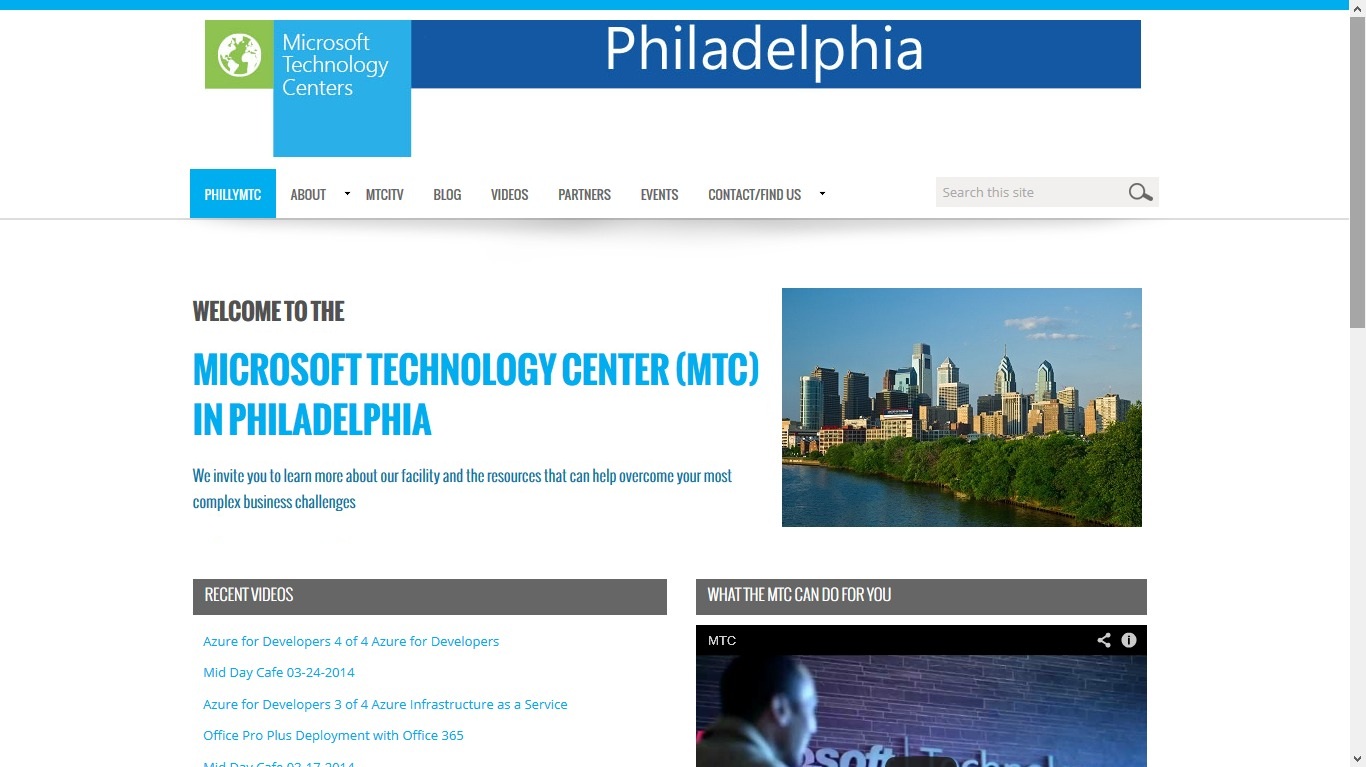
One of my first real memories is building public‑facing portals with SharePoint Online. It’s a feature that’s easy to forget now, but for a short period of time SharePoint Online supported public websites. I built dozens of them. Possibly hundreds. They were fast to spin up and flexible enough to shape. I had a lot of fun in that phase, I also broke a lot of rules, mostly because no one had clearly written them yet.
Still, that phase mattered. It taught me how far the platform could be pushed, and where it pushed back. It also led to work I’m still proud of today: public websites, internal portals, and intranets that weren’t just functional, but intentional. Some of them went on to be recognized and awarded. More importantly, they were used. They became places people returned to, not systems they worked around.
Over time, my focus shifted. Branding alone wasn’t enough. I moved into building web parts, and eventually SharePoint Framework solutions. When SPFx arrived, it marked a clear turning point. SharePoint stopped feeling like a closed system you customized from the inside, and started to look like a modern web platform. That transition required unlearning habits as much as learning new ones, but it also opened the door to building things properly, with structure, reuse, and maintainability in mind.
Around that same period, I found the community in tech. I was not just reading blog posts, but actively learning from others, sharing what I was building, and publishing code rather than just screenshots. That exchange ideas, failures, solutions is where I feel I grew the most as a professional. Winning a SPFx Dev Kitchen hackathon was part of that journey, but more than the result, it was the process that mattered. Building alongside others, testing ideas, and seeing how far SharePoint could stretch when extended properly.
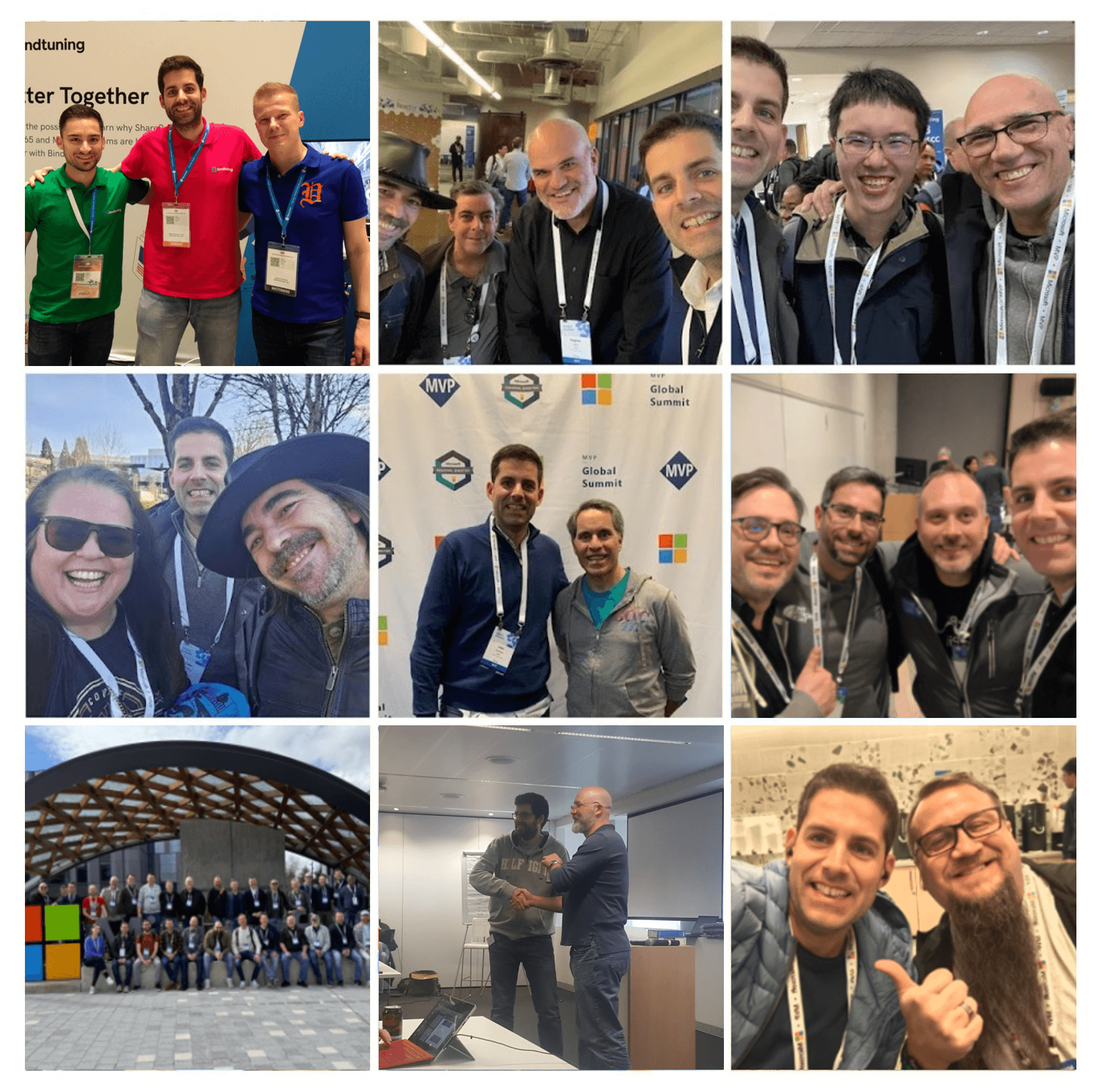
SharePoint also took me places. Conferences, user groups, and community events across countries. At first, I attended to learn. Later, I spoke to share. One session in particular focused on Microsoft Lists drew more than a hundred attendees. It wasn’t about the number. It was about realizing that what felt obvious to me after years of working with the platform could genuinely help others rethink how they used it.
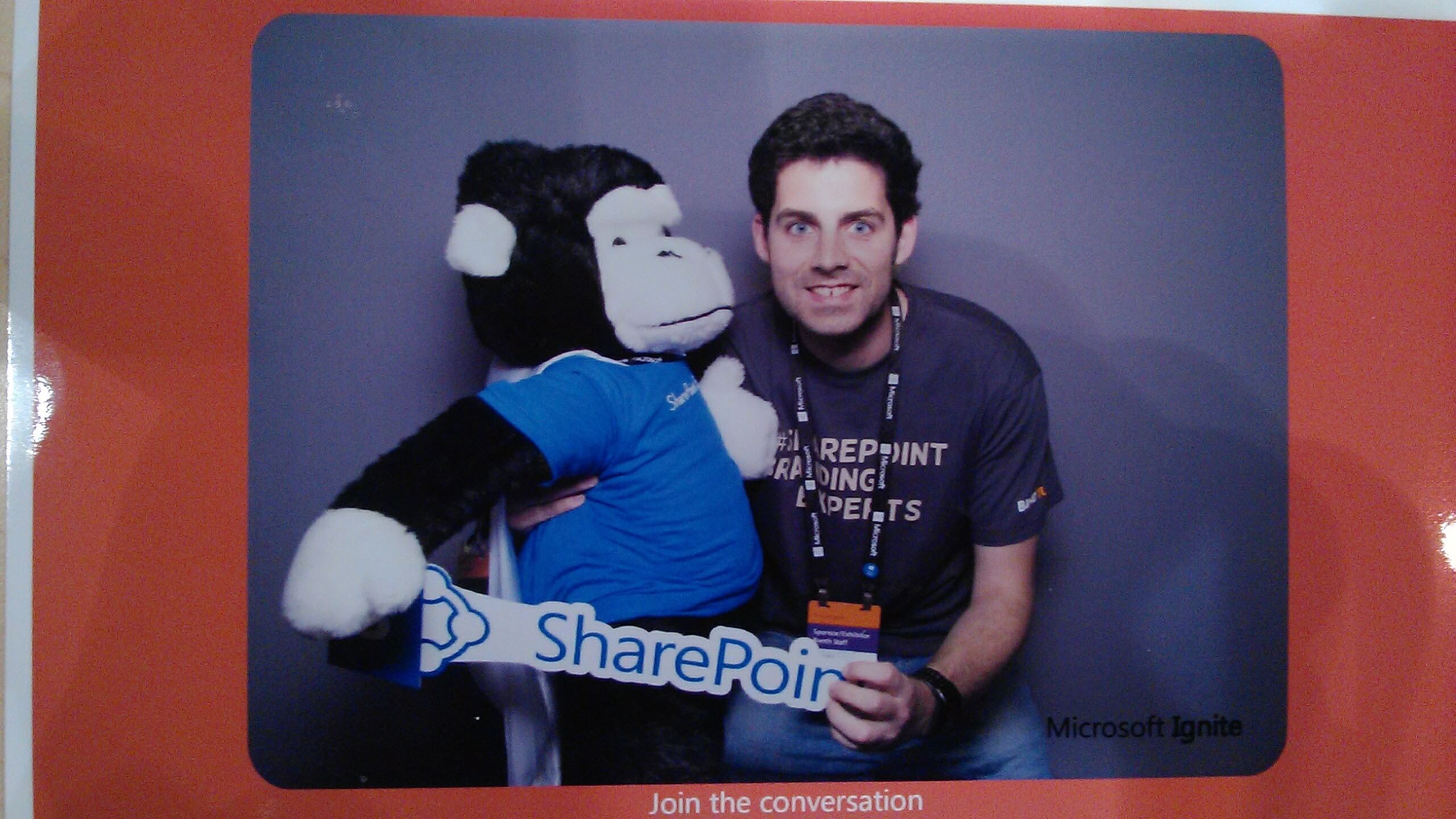
Today, my role is different. I’m a product manager now but I still think about SharePoint and Microsoft 365 every day as part of my job. Every now and then I still write code, to understand how I can continue to extend SharePoint, and how I can integrate it in the products I’m helping building.
I’ve learned a huge amount from the SharePoint community over the years, and I remain grateful for the people who were sharing openly when I was starting out. For a long time, they were the face of SharePoint for me, proof that the platform was bigger than documentation and release notes.
Some people say I’m a fanboy. I don’t deny it. I care about SharePoint. I advocate for it. I defend it when it’s misunderstood and challenge it when it falls short. Not because it’s perfect, but because it has consistently rewarded those willing to understand it deeply.
Now, twenty‑five years in, I’m less interested in looking back than in what comes next. Especially in the context of AI, where SharePoint’s role as a knowledge platform suddenly feels more relevant than ever.
On March second, Microsoft will begin outlining what comes next. If SharePoint has been part of your journey too, this is a good time to join the celebration and see where the platform is heading next.



No comments yet