What’s new for SharePoint – February 2026

I’m publishing this What’s New in SharePoint for February 2026 on a symbolic day. Today, SharePoint turns 25. There’s a big celebration happening, and by the time you read this, chances are new announcements are already landing. But what’s interesting is that February quietly gave us a glimpse of where SharePoint is heading—before the lights went on.

While many are waiting for what will be unveiled later today, Microsoft has already been laying the groundwork through small but meaningful updates in the roadmap and the Message Center. This month, I want to highlight two of them. The first is grounded chat for SharePoint Lists, where Context IQ in Microsoft 365 Copilot can now pull list data directly into prompts, improving accuracy and relevance. The second is the reimagined SharePoint home experience, a single, intuitive page that brings together what actually matters across the platform.

If this is what surfaced quietly in February, it sets an interesting tone for what comes next. SharePoint is clearly still evolving.

What is new for SharePoint as a platform

(more…)

Microsoft Forms Data Sync: Bringing Responses Directly into SharePoint

Most Microsoft 365 improvements don’t arrive loudly. They settle in quietly, change behavior, and then disappear into the background. When they work, nobody notices. When they don’t, everyone does.

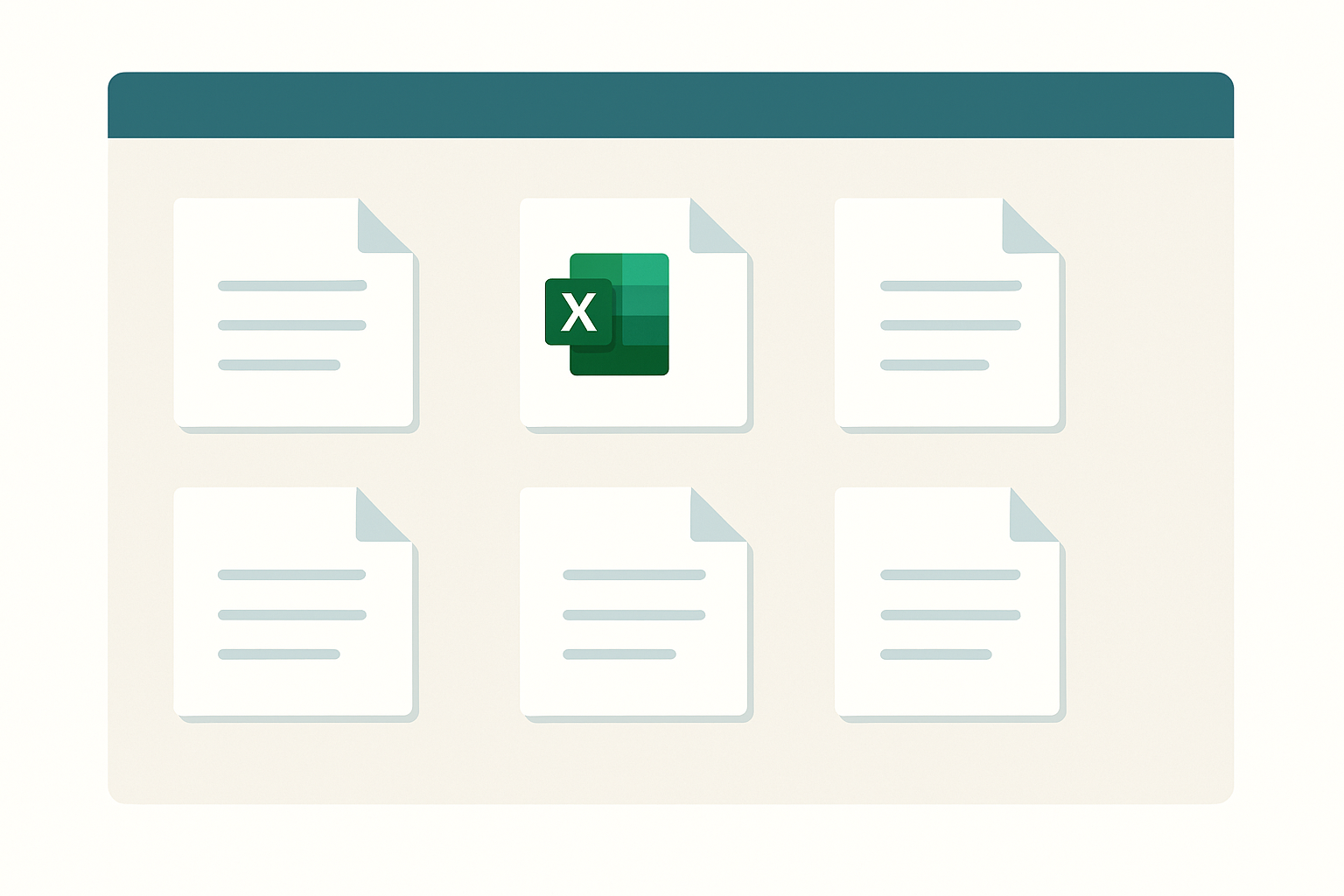
The Microsoft Forms data sync experience for Excel in is one of those changes. On paper, it looks modest. Forms responses sync more reliably to Excel. The file lives in the same library where the form was created. No new app, no new surface, no feature tour. In practice, it removes a long‑standing tension in how people actually use Forms.

Microsoft Forms Data Sync

(more…)

The End of SharePoint Alerts and the Shift to Smarter Notifications

For a long time, SharePoint alerts were one of those features nobody talked about, but almost everyone relied on. You set them once, usually on a document library or a list, and then forgot they existed. An email would show up when a file changed, when an item was added, when someone touched something that mattered. Simple, predictable, and deeply ingrained in how teams kept an eye on their content.

They were never glamorous. Alerts didn’t scale particularly well, the emails were noisy, and governance was always a bit of a grey area. But they solved a very real problem: awareness. In a platform built around shared content, alerts were how many people stayed informed without constantly checking a site.

That chapter is now closing. SharePoint alerts are being retired, and Microsoft is nudging customers toward more modern, more intentional ways of achieving the same outcome.

SharePoint Alerts

(more…)

What 25 Years of SharePoint Meant for My Career

My story with SharePoint didn’t start at the beginning. It started in 2012, at a moment when the platform was already well established but still surprisingly open to experimentation.

In those early years, my work was largely about SharePoint branding. The thing I heard the most back then was: “don’t make SharePoint look like SharePoint.” So I didn’t. I worked with all versions since SharePoint 2007, stripping away default visuals, rebuilding layouts, and reshaping the experience through custom master pages and heavy customization!!!

SharePoint at 25

(more…)

How to Rename a SharePoint Site and Change Its URL Without Breaking Everything

For a long time, renaming a SharePoint site was treated as a mistake you paid for forever. Pick the wrong name, live with it. URLs were fragile, links broke, and the safest advice was simple: don’t touch it.

That advice is outdated! SharePoint supports renaming sites and changing their URLs in a controlled, supported way. The risk today is not the platform. It’s the assumption that nothing has changed.

This article explains why renaming a SharePoint site matters, what actually happens when you do it, and how to do it safely.

Rename a SharePoint Site Collection

(more…)

How to Block File Downloads in SharePoint and OneDrive (What’s Possible, What Isn’t, and What Actually Works)

Blocking file downloads in SharePoint is one of those requests that sounds simple and turns complex very quickly.

It usually starts with a reasonable concern. Sensitive documents. External users. Unmanaged devices. A clear instruction from security or legal: ‘People should be able to read this, but they shouldn’t be able to download it.’

For years, the honest answer was uncomfortable. You could make downloads harder, but you couldn’t truly block them without workarounds, custom permission levels, or conditional access gymnastics. And even then, the guarantees were weak.

That changed with the introduction of the Block download policy for SharePoint and OneDrive, part of SharePoint Advanced Management. This is the first supported, platform‑level way to enforce browser‑only access to files, without redesigning your permission model or relying on unsupported UI tricks.

Block Files Download SharePoint

(more…)

How to Build a SharePoint Contact List with Internal and External Users

When I wrote about building a project index in SharePoint, I intentionally focused on structure and discoverability. A single place to see all consulting projects, understand what they are about, and navigate to the right site without friction. In practice, though, every time I implement that pattern, I end up adding one more list almost immediately: a contact list built specifically to store the contact information of everyone involved in the project.

Projects are defined as much by people as they are by sites and documents, and in consulting those people are rarely all internal. Customers, partners, and external stakeholders need to be visible in the context of a project, even when they are not and should not be part of the tenant.

Contact List SharePoint

(more…)

Quick Steps in SharePoint Document Libraries: Why This One Actually Changes the Experience

When I published my article about the new Quick Steps column type in Microsoft Lists, the focus was on how Microsoft is slowly reshaping the way users interact with data. Not through big announcements or radical redesigns, but through small, practical touches that remove friction from everyday work.

The same Quick Steps column type is also available in SharePoint document libraries. That detail matters, because libraries are not just another container. They are where real work happens, where files move, get reorganized, shared, duplicated, and increasingly questioned. Seeing Quick Steps land here feels less like feature reuse and more like intent.

SharePoint Document Libraries Quick Actions

(more…)

Relearning the Basics: Getting Comfortable With the New SharePoint Document Libraries

Microsoft has been rolling out a refreshed look for SharePoint Document Libraries, aligning them more closely with the new OneDrive experience. Visually, it’s clean, modern, and unquestionably consistent with Microsoft’s current design language. Functionally… well, things have moved. A lot.

If you’ve been following my Pulse updates, you already know I’m not exactly the biggest fan of these changes, not because they’re bad, but because they’ve forced me to retrain my own muscle memory. After years of going straight to the same corner of the screen to create files, switch views, or open filters, suddenly realizing “oh… it’s not there anymore” is incredibly frustrating.

That said, change happens, and once you understand where everything went, the new experience is usable, even if it comes with extra clicks. So in this article, I want to walk you through the basic functionality that has moved, hidden itself, or changed behavior. If you’re still learning your way around the new libraries, this guide will save you a bit of time (and annoyance).

New SharePoint document libraries

(more…)

Build a SharePoint Project Index for a Cleaner, Connected Intranet

If you work in consulting, or any environment where multiple projects run in parallel, you’ve probably felt this pain: every project gets its own SharePoint site, every team stores documents in different places, and every time someone asks, “Where can I find the project site for X?” you either open Teams to search for links or end up adding another item to the Quick Links web part.

In this article I’ll show you a simple saolution to create a clean, visual, centralized index of all project sites using one SharePoint list and one formatted view.

SharePoint Project Site Index

(more…)


I've been working with Microsoft Technologies over the last ten years, mainly focused on creating collaboration and productivity solutions that drive the adoption of Microsoft Modern Workplace.

Trending Posts